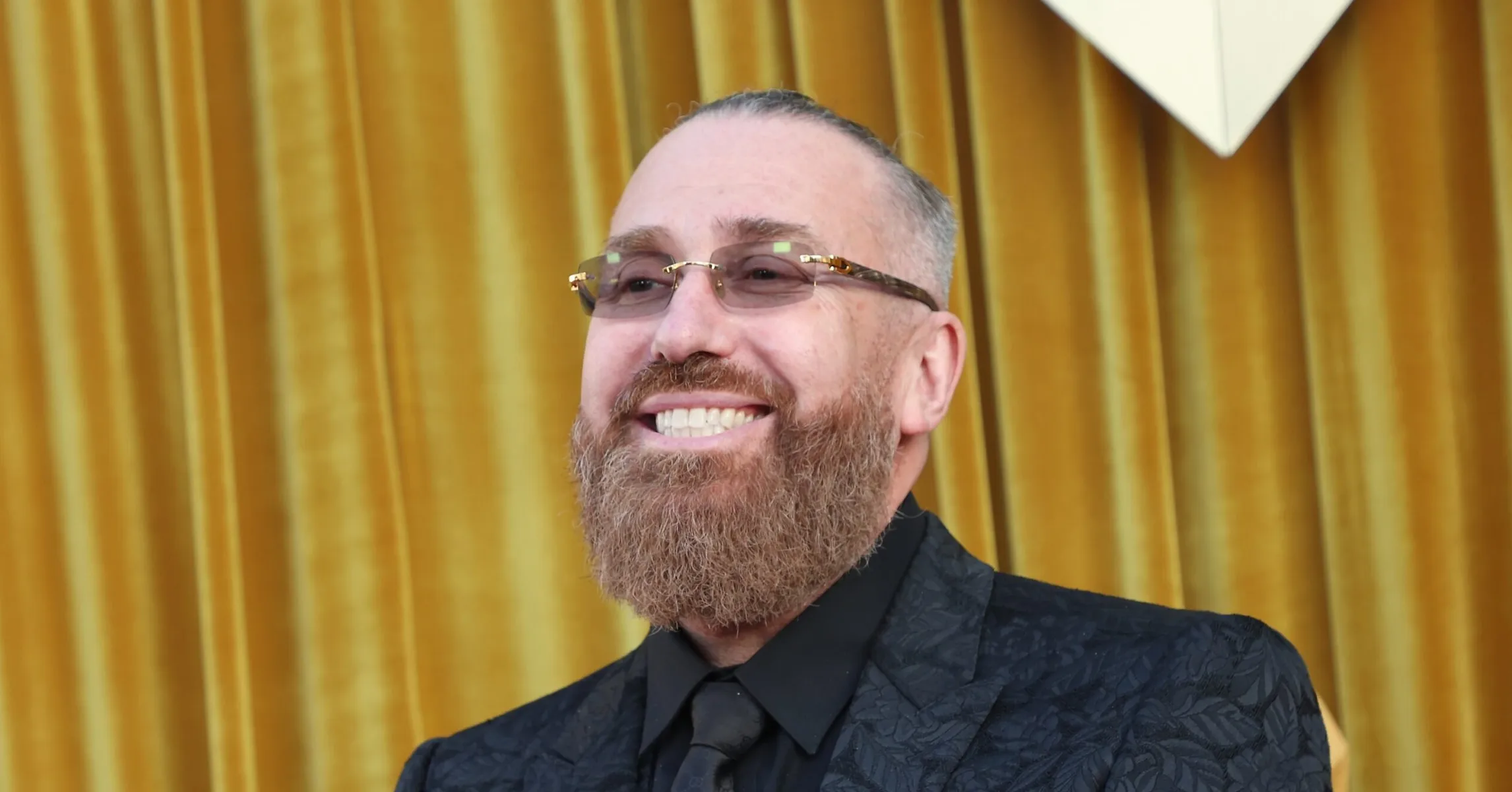
DJ Vlad's Satirical Jay-Z Tweet Sparks Debate on Twitter: A Deep Dive into Online Sarcasm and Conspiracy
In the ever-evolving landscape of social media, where misinformation often runs rampant and the line between fact and fiction blurs, a single tweet can ignite a massive debate. Such was the case when prominent internet personality and media mogul, DJ Vlad, took to his X (formerly Twitter) account to post a highly satirical, yet deeply polarizing, thread about music icon Jay-Z, Roc Nation, Tory Lanez, and Megan Thee Stallion. This incident quickly became a central talking point on Dj Vlad Twitter, sparking discussions about the nature of online satire, the prevalence of conspiracy theories, and the challenges of conveying intent in a digital age.
The Spark: DJ Vlad's Viral Jay-Z Conspiracy Tweet
The controversy began on a seemingly ordinary Saturday, February 14th, when DJ Vlad unleashed a series of tweets that read like a deranged conspiracy theorist's manifesto. Far from his usual reporting or interview snippets, this thread delved into outlandish claims designed to mock the more extreme narratives surrounding recent high-profile legal cases in the music industry. The initial tweet, a mock "confession," set the tone:
"I have a confession. Roc Nation has been paying me to support Megan. They also paid off all the jury members to convict Tory. And they bribed the judge, too. Jay-Z did a verse for his grandson's new album. They paid off Megan's doctor to lie about the bullet fragments. She was never shot. The LA police are all on Jay's payroll. And it doesn't stop with LA, but you're not ready to hear that part."
The absurdity escalated with each subsequent line. Vlad continued, alleging that the "Mexican guy who stabbed Tory" was also paid off by Roc Nation, and that three Supreme Court judges who denied Tory Lanez's appeal were "all paid off by the Roc Mafia." The tweet reached its zenith of hyperbolic fantasy by claiming Jay-Z paid Donald Trump *not* to pardon Tory, despite the fact that a presidential pardon only applies to federal, not state, cases. The ultimate dramatic flourish was a self-aware, if ironic, declaration: "I can't keep these lies secret anymore. If this is my last tweet, you know who silenced me."
This explosive content immediately went viral across Dj Vlad Twitter and beyond, leaving many followers bewildered, amused, or outraged. The sheer audacity of the claims, combined with Vlad's serious online persona, created a perfect storm for misinterpretation.
Unpacking the Satire: Why It Fooled So Many on Dj Vlad Twitter
While the tweet was dripping with overt sarcasm, the immediate reaction proved that nuance often gets lost in the rapid-fire world of social media. DJ Vlad himself was quick to clarify, stating during a livestreamed phone call with fellow internet personality Sneako that the entire thread was a joke. "People just do not know sarcasm, do they?" he remarked, genuinely surprised by the number of individuals who took his statements at face value. "Sarcasm really just goes over people's heads. It really surprises me. Of course I'm trolling, man. Jay did a verse on the judge's grandson's album? How is this not obvious?"
Several elements within the tweet were deliberately crafted to signal its satirical nature:
- Extreme Exaggeration: Claims like Jay-Z bribing Supreme Court judges for a state case, paying off every relevant authority figure, or collaborating on a "grandson's new album" are so far-fetched they should ideally trigger immediate recognition of parody.
- Internal Contradictions: The mention of Jay-Z paying Trump not to pardon Tory, while simultaneously acknowledging Trump's pardon power is limited to federal cases, highlights the illogical nature of the conspiracy.
- Dramatic Irony: The "If this is my last tweet, you know who silenced me" line is a classic trope used to mock those who believe in vast, shadowy conspiracies.
However, the online environment, particularly on platforms like X, often strips content of its context. In a space where genuine conspiracy theories, no matter how outlandish, often find a receptive audience, Vlad's satire inadvertently mimicked the very content it sought to mock. The incident underscored a critical challenge: conveying subtle forms of humor like sarcasm and irony in text-based communication, especially when dealing with sensitive or controversial topics that already breed genuine (though often unfounded) speculation.
The Aftermath: Clarifications, Criticisms, and the Power of Parody
Following the initial uproar, DJ Vlad posted a brief update, continuing the gag with another dose of sarcasm: "For everyone checking on me, I'm OK. For now. For the record, I wasn't hacked." This further cemented his intent to keep the jest alive, demonstrating that he wasn't backing down from the satirical premise. For a deeper dive into his initial explanations, you can read more at DJ Vlad Clarifies Controversial Jay-Z Conspiracy Tweet.
Despite Vlad's clear intentions, the tweet drew criticism. One notable detractor was DJ Akademiks, who accused Vlad of "kicking Lanez while he's down." Vlad, however, was quick to defend his position during a livestream. He clarified that his aim was not to attack Tory Lanez, but rather to lampoon the pervasive and often illogical conspiracy theories that had taken hold among certain segments of the internet. "I don't have an axe to grind with Tory, I don't know him, we've never spoken," Vlad confirmed. His target was the rampant speculation and baseless accusations that overshadow facts in public discourse.
This particular exchange highlights the complex ethics of satire. While effective satire often punches up, mocking powerful figures or absurd ideologies, it can be perceived differently when it touches upon individuals involved in difficult legal situations. The incident ignited a debate about where the line lies between clever social commentary and insensitive humor. For more on this, explore DJ Vlad Defends Satirical Jay-Z Tweet Amid Criticism.
Ultimately, the episode on Dj Vlad Twitter served as a potent reminder of satire's dual power: its ability to expose absurdity and its potential to be deeply misunderstood. In an era where "alternative facts" and unverified claims regularly circulate, the distinction between genuine belief and sarcastic commentary has become increasingly tenuous.
Navigating Satire Online: A Lesson from Dj Vlad Twitter
The viral impact of DJ Vlad's tweet offers valuable lessons for both content creators and consumers of information on social media. Understanding these dynamics is crucial for fostering a more discerning and thoughtful online environment.
Practical Tips for Content Creators:
- Know Your Audience: Consider how your satire might be received by different segments of your followers. What's obvious to some might be entirely lost on others.
- Context is King: If possible, provide immediate context or disclaimers, especially when dealing with sensitive topics. While satire often thrives on subtlety, in today's digital climate, explicit cues can prevent widespread misunderstanding.
- Exaggerate Boldly, But Intelligently: Make the absurdity so overt that it's nearly impossible to misinterpret. However, ensure the exaggeration still serves a clear satirical purpose, rather than just being nonsensical.
- Be Prepared for Backlash: Even well-intentioned satire can generate criticism. Have a plan for how you'll address misunderstandings or defend your artistic intent.
Actionable Advice for Social Media Users:
- Critical Thinking First: Before reacting or sharing, pause and consider the source, the tone, and the context of the information. Does it seem plausible? Are there any obvious red flags like extreme claims or logical fallacies?
- Look for Cues: Pay attention to stylistic elements, use of irony, or repeated patterns that might signal satire. Is the account known for humor or parody?
- Verify, Don't Assume: If a claim seems too wild to be true, it likely is. A quick search can often debunk misinformation, whether it's genuine or satirical.
- Understand the Platform: Recognize that platforms like X prioritize brevity and rapid dissemination, often at the expense of nuance. This makes misinterpretation easier.
The incident on Dj Vlad Twitter highlighted how the boundaries of public discourse are constantly being tested. It underscores the importance of media literacy and the ability to differentiate between genuine information, outright falsehoods, and the often-tricky realm of satirical commentary. As creators continue to push boundaries with their content, and consumers navigate an increasingly complex information landscape, the need for clear communication and critical engagement has never been more vital.
Conclusion
DJ Vlad's satirical Jay-Z tweet created a viral moment that transcended simple entertainment, evolving into a significant case study in online communication. What began as an attempt to mock existing conspiracy theories quickly revealed the fragility of satire in a digital world prone to literal interpretations and rapid spread of information. From the initial shockwaves on Dj Vlad Twitter to the subsequent clarifications and criticisms, the episode served as a powerful reminder that while humor can be a potent tool for social commentary, its effectiveness hinges on shared understanding. As we continue to navigate the complexities of social media, this incident underscores the perennial challenge of discerning intent and the enduring importance of critical thinking in our increasingly interconnected online lives.